The owner and staff are absolutely wonderful!!! I always come back for the customer service and food. I love their drinks especially chai latte. I got an almond croissant and chai latte this time. They were fabulously delicious as always.
Overview
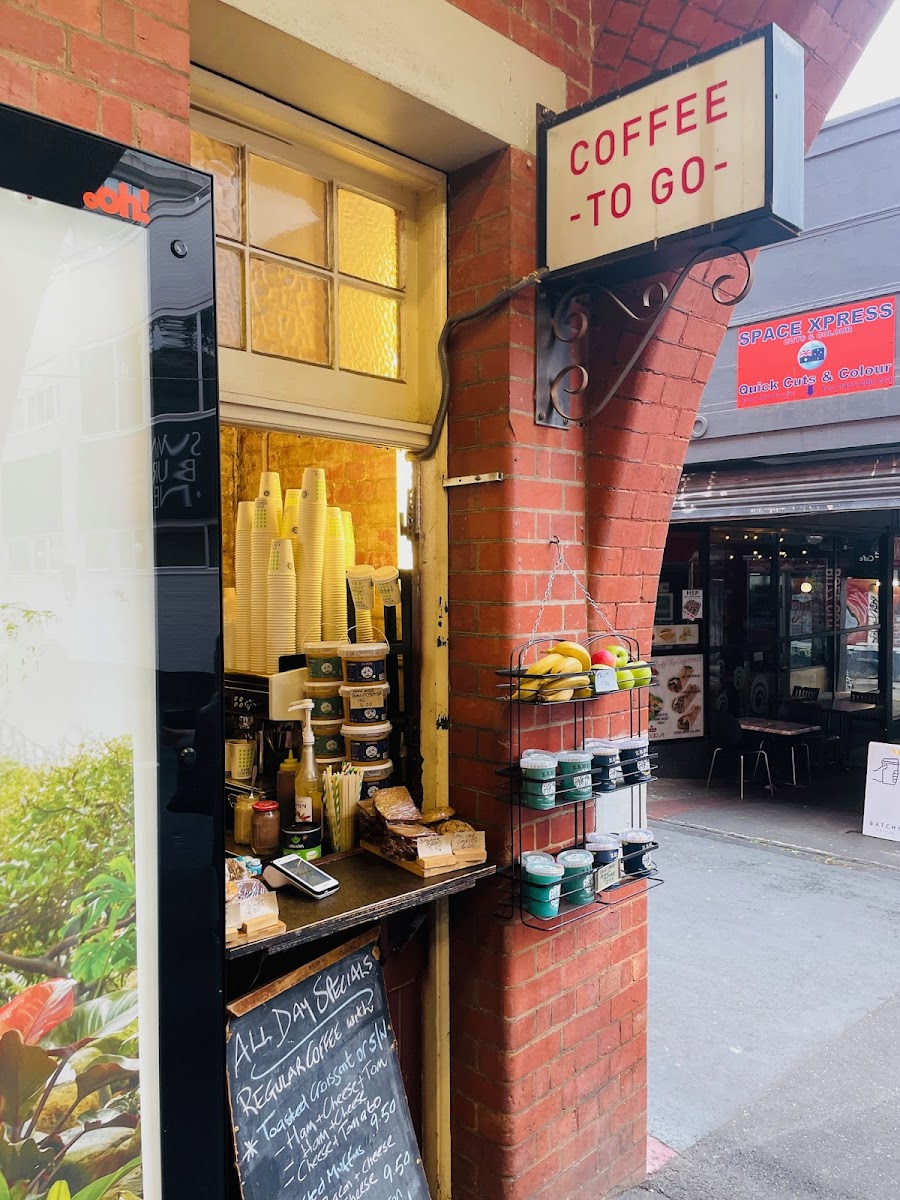
The first time I walked into Zane Coffee The Little Tuckshop, I was ducking out of the Don Arcade on a weekday morning, caffeine-deprived and not expecting much beyond a quick flat white. What I found instead was the kind of neighborhood diner that quietly earns loyalty rather than chasing hype. Tucked inside Hawthorn VIC 3122, Australia, this place feels purpose-built for locals, students, and anyone who values good coffee without pretension.
The menu reads like someone actually tested every dish before printing it. Rather than endless options, there’s a tight focus on breakfast and lunch staples done properly. Eggs are cooked with intention, not rushed, and the all-day breakfast offering makes practical sense for the area. I’ve watched regulars order the same thing each visit, which is usually a sign the kitchen knows exactly what it’s doing. On one visit, I chatted with a barista about their sourcing, and they explained how they dial in espresso each morning based on humidity and bean age, a process recommended by the Specialty Coffee Association to maintain consistency. That attention shows up in the cup.
Coffee is clearly the backbone here. According to data published by the Australian Coffee Association, more than 75% of Australians drink coffee daily, and cafés that survive long-term tend to focus on repeatable quality rather than novelty. Zane Coffee The Little Tuckshop fits that model. The espresso has balance, milk texture is consistently smooth, and alternative milks are handled with care rather than treated as an afterthought. I’ve seen plenty of cafés struggle with soy or oat; here, it’s reliable every time.
What stands out is how the space works as part of daily routines. Located inside Don Arcade, it naturally catches foot traffic, but it doesn’t rely on that alone. Students linger with laptops, tradies grab takeaway, and office workers sit down for a proper break. That mix shapes the atmosphere. It’s casual, a little noisy during peak hours, but never chaotic. From a food safety perspective, everything appears well-managed. Food Standards Australia New Zealand outlines strict guidelines for temperature control and handling, and from open prep visibility to clean counters, the operation aligns with those expectations.
Reviews from locals often mention friendliness, and that’s accurate without feeling scripted. Staff remember orders, but more importantly, they remember preferences. One morning, my usual long black came out before I’d finished paying. That kind of service can’t be trained overnight; it develops through experience and low staff turnover, something hospitality researchers often link to better customer satisfaction and more consistent food quality.
The diner-style food leans comforting rather than flashy. Toasts arrive properly crisp, fillings are generous without being sloppy, and specials rotate just enough to keep things interesting. A chalkboard note once mentioned a seasonal change due to supplier availability, which I appreciated. It’s honest about limitations rather than forcing ingredients year-round, a practice chefs from organizations like the Australian Institute of Food Safety frequently advocate.
If there’s a limitation, it’s seating during peak times. The location means space is finite, and during mid-morning rushes you might wait or opt for takeaway. Still, that’s a trade-off many are willing to make for consistency. In a suburb crowded with cafés, this spot holds its ground by doing the basics well, day after day, without chasing trends or gimmicks.
Good to know
Service options
✓ Outdoor seating ✓ Delivery ✓ Takeaway ✓ Dine-inHighlights
✓ Great coffee ✓ Great tea selectionPopular for
✓ Breakfast ✓ Lunch ✓ Solo dining ✓ Good for working on laptopAccessibility
✓ Wheelchair-accessible entrance ✓ Wheelchair-accessible seatingOfferings
✓ Coffee ✓ Healthy options ✓ Quick bite ✓ Small platesDining options
✓ Breakfast ✓ Brunch ✓ Lunch ✓ Dessert ✓ SeatingAtmosphere
✓ Casual ✓ CosyPlanning
✓ Accepts reservationsPayments
✓ Credit cards ✓ Debit cards ✓ NFC mobile paymentsChildren
✓ Good for kidsPhotos
1 / 4
Location
Reviews
- No ratings yet 146 reviews
Zane Coffee is my absolute go-to whenever I'm in Glenferrie! Conveniently located right outside the train station and open every day, you could blink and miss it as you hurry past on your way to work in the morning - but I urge you, grab your coffee here first! The brew is consistently excellent and the guys always have a smile on their face as they greet you. Also, the choc chip cookies...SO good! Chewy, loaded with chocolate, I think they may use brown sugar? I'm no baker, but the buttery, caramel-ly sweetness definitely hits the spot. It's a cute little hole-in-the-wall place with genuinely awesome coffee and really awesome service - the perfect way to start the day. Highly recommend!
This place has to be the best place to buy your coffee from. The food is great on the run and the staff are amazing with their customer service. They make you feel you are part of the family. I always get, "Good Morning", With the warmest greeting. I would highly recommend this place for the greatest experience and the coffee, totally Yum.
i had amazing experience here. I love the barista’s art. Also, she made good coffee.
Australia and its coffee culture is on another level and a warm cup of coffee does make the day better. ZANE COFFEE is one of the many underrated coffee shops around Melbourne. Every time you grab a coffee from Zane, you’re welcomed with a warm smile, greetings and the most delicious cup of coffee. It’s a must-visit coffee shop. After all it’s a story in every cup !
Fantastic coffee and delicious toasties! But what truly makes this place special is Anthony’s extraordinarily friendly service. He makes you feel genuinely welcome and at home — and that’s what keeps you coming back!
The staff was friendly and great!! the service was quick. I'll definitely be coming back for more of their delicious coffee. Highly recommended! I love the morning energy with a good vibes!! Hahaha. GOOD AFTERNOON
It's the perfect for a fast coffee, really well located and centric. The serivce was very friendly and you can support locals buying here.